Alcohol Misuse and TreatmentIf you are concerned about alcohol tolerance, you may also be wondering about alcohol misuse and the possibility of needing treatment. According to the National Institute on Alcohol Abuse and Alcoholism (NIAAA), more than 17 million people were struggling with an alcohol use disorder in 2014. People who received appropriate treatment, however, can make significant recoveries. Tolerance to a drug can develop relatively quickly how to build alcohol tolerance over just a few days, or it may take a few weeks or months to form.
Gradual Exposure Methods: Start with small amounts and slowly increase to build tolerance safely

Instead of sporadic heavy drinking, consistent and moderate consumption is a safer and more sustainable way to manage your alcohol tolerance. By contrast, moderate drinking allows your body to process alcohol more efficiently over time, reducing the risk of adverse effects. Genetic factors play a significant role in determining how individuals metabolize alcohol and develop tolerance. The enzymes responsible for breaking down alcohol, primarily alcohol dehydrogenase (ADH) and aldehyde dehydrogenase (ALDH), are influenced by genetic variations.
How to reduce your tolerance

Ultimately, your body becomes less sensitive to a drug or substance over time with regular use. When you first started using the drug, whether it was for medical or recreational purposes, you likely needed a relatively small amount of the substance to achieve the intended benefits. This indicates that your body has learned how to metabolize the substance more efficiently. For example, if your body is accustomed to having three beers in your backyard once a week during the summer, it will anticipate that level of intoxication before you even start drinking. Drinking alcohol in the same setting repeatedly can lead to an environmental tolerance for alcohol. This is because your body gets used to drinking in a specific spot, and it expects the effects of alcohol, absorbing it more quickly and reducing how quickly you feel buzzed or drunk.
Can You Build Alcohol Immunity? Debunking Myths And Understanding Tolerance
Drinking a high concentration of alcohol, especially on a regular basis, can also cause alcohol dependence. This could lead to alcohol withdrawal symptoms, such as shakiness, sweating, nausea, and vomiting. People who develop a higher tolerance to alcohol may drink more and experience less impairment after drinking the same amount as before.
- Additionally, people with a family history of alcohol dependence are four times more likely to develop a dependency themselves.
- Thirdly, building alcohol tolerance can be expensive as individuals may need to buy more drinks to feel the desired effects.
- Alcohol is absorbed more slowly in people with larger frames, and their higher water-to-fat ratio means that alcohol is diluted more in their bodies.
- Studies suggest that carbonation in drinks can increase the speed of alcohol absorption by up to 40-50%.
Eating before or while drinking slows the absorption of alcohol into your bloodstream, reducing its immediate impact. Similarly, alternating alcoholic drinks with water helps prevent dehydration and gives your liver more time to metabolize the alcohol. These practices complement the use of lower ABV drinks, creating a holistic approach to building tolerance safely. Finally, combine pacing yourself with other healthy https://twbyosaf.com/ethanolism-why-you-shouldnt-drink-alcohol/ habits to support your goal of building alcohol tolerance. Eat a balanced meal before drinking to slow the absorption of alcohol into your bloodstream. Additionally, prioritize sleep and overall health, as a well-rested and healthy body is better equipped to process alcohol.
- For instance, start with one 5% ABV beer per session and observe how your body reacts.
- Long story short, drinking alcohol will affect your behavior and different bodily functions.
- Department of Agriculture’s Dietary Guidelines suggest up to one drink per day for women and up to two drinks per day for men.
- ADH activity varies between men and women, between young and old, and among populations from different areas of the world.
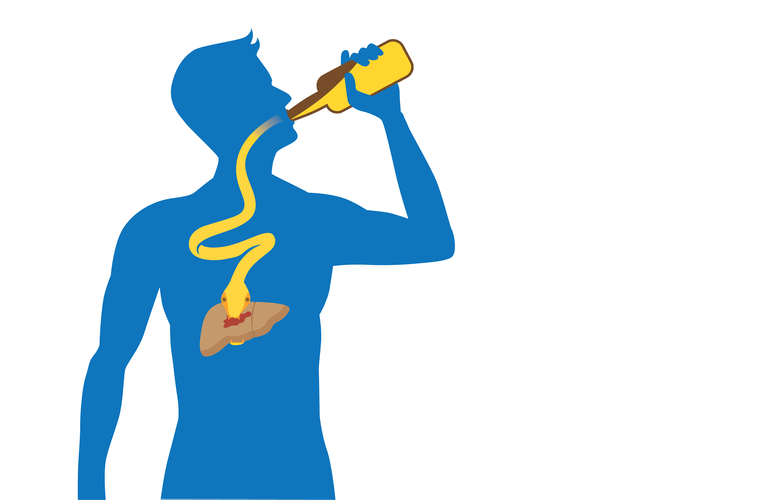
Tolerance can develop quickly; a few days to a week of heavy drinking can cause it to take several beers for you to feel a buzz. In the United States, its legality and cultural acceptance have made it so that the vast majority of people in the country have had it at least once during their lifetime. Anyone who’s been around drinking culture enough knows the concept of the drinking game. It is a contest to see who can “hold their liquor” or drink without being significantly affected by alcohol. Several variables go into the amount you can drink before feeling the effects, including your size, weight, sex, and age. It is also important to have a plan in place for when the allotted break time ends.
Having a high tolerance to alcohol can also be a sign of an alcohol use disorder, also known as a pattern of alcohol abuse or alcohol addiction. Studies show that people who have genetically determined tolerance can be at higher risk for alcoholism if there’s a history of it in their immediate family. Some research studies have suggested that ethnicity can affect alcohol tolerance. For example, people of certain racial and ethnic backgrounds, particularly people who are East Asian, have a higher prevalence of alcohol sensitivity, due to genetic Substance abuse factors. Certain health-related factors, such as your physical activity level and other co-occurring health problems, can affect your tolerance to alcohol.
Eat before drinking alcohol
Always monitor fluid intake and consult a healthcare provider if you have kidney issues or hypertension. Remember, these strategies enhance tolerance by supporting bodily functions, not by increasing alcohol consumption capacity. Tolerance often leads to dependency and is not a healthy or sustainable approach to alcohol consumption. Building alcohol tolerance early does not prevent problems; it often leads to higher consumption and increased risk of addiction, liver damage, and other health issues. It is not recommended to build alcohol tolerance at any age, especially early in life.
